
Expert Pruning by Certified Arborists
Structural pruning, crown reduction, and canopy management guided by ISA-certified arborist expertise. We prune with purpose -- every cut has a reason.
What It Is & When You Need It
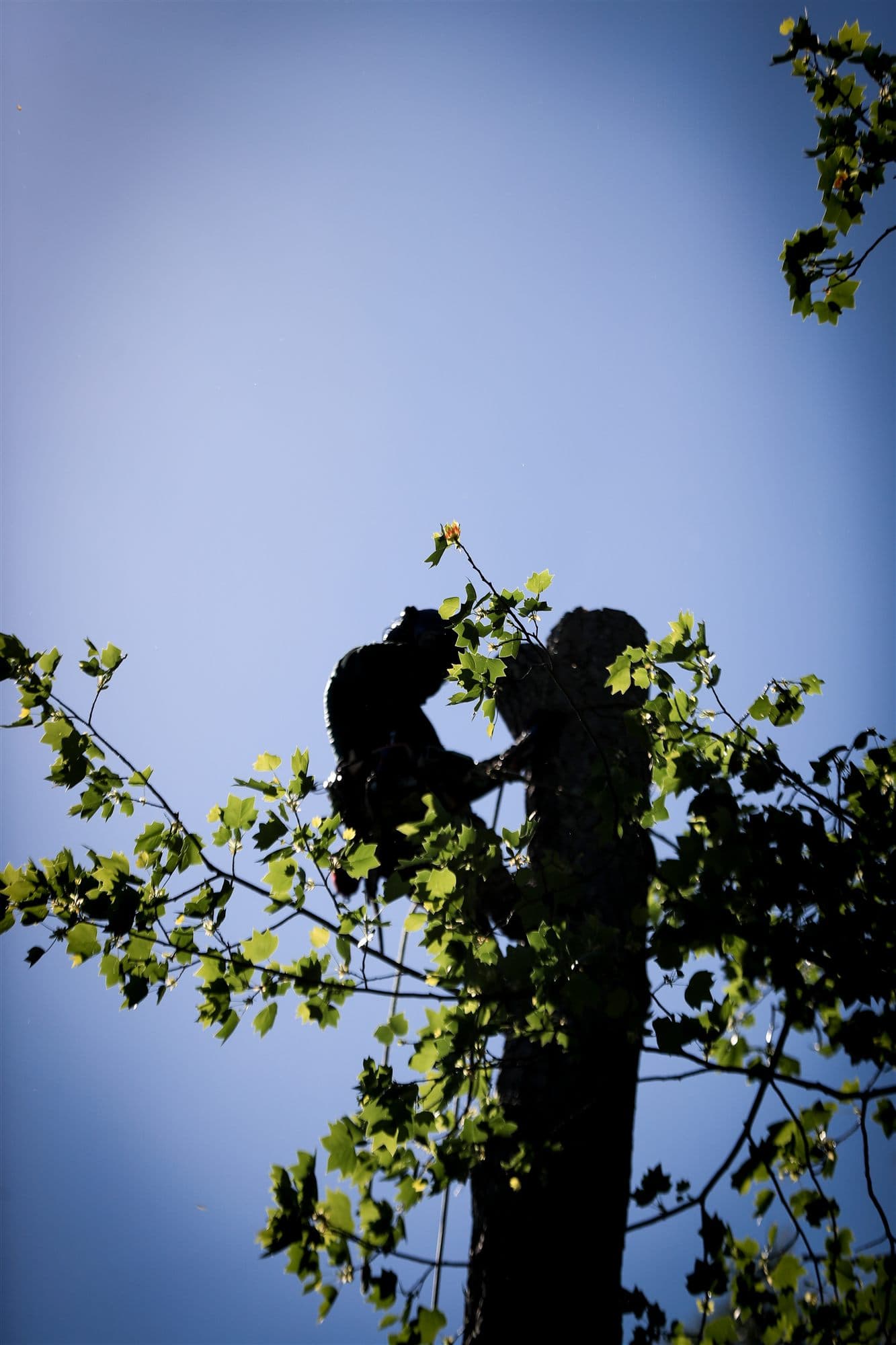
Tree pruning is the selective removal of branches to improve a tree's structure, health, appearance, or safety. Done correctly by a certified arborist, pruning extends a tree's life, reduces storm damage risk, and maintains property value. Done incorrectly, it can cause irreversible harm.
Pelfrey offers multiple pruning types based on your tree's needs: structural pruning for young trees to develop strong branch architecture, crown cleaning to remove dead or diseased wood, crown reduction to manage size without topping, and vista pruning to restore views while preserving tree health.
Our arborists follow ANSI A300 pruning standards, which define proper pruning cuts, acceptable removal percentages, and species-specific considerations. We never top trees, lion-tail branches, or use climbing spikes on trees that are being pruned rather than removed.
Our Process
Arborist Evaluation
ISA-certified arborist inspects your trees and identifies structural issues, deadwood, or disease.
Written Pruning Plan
Detailed estimate specifying pruning type, scope, and expected outcome for each tree.
Skilled Execution
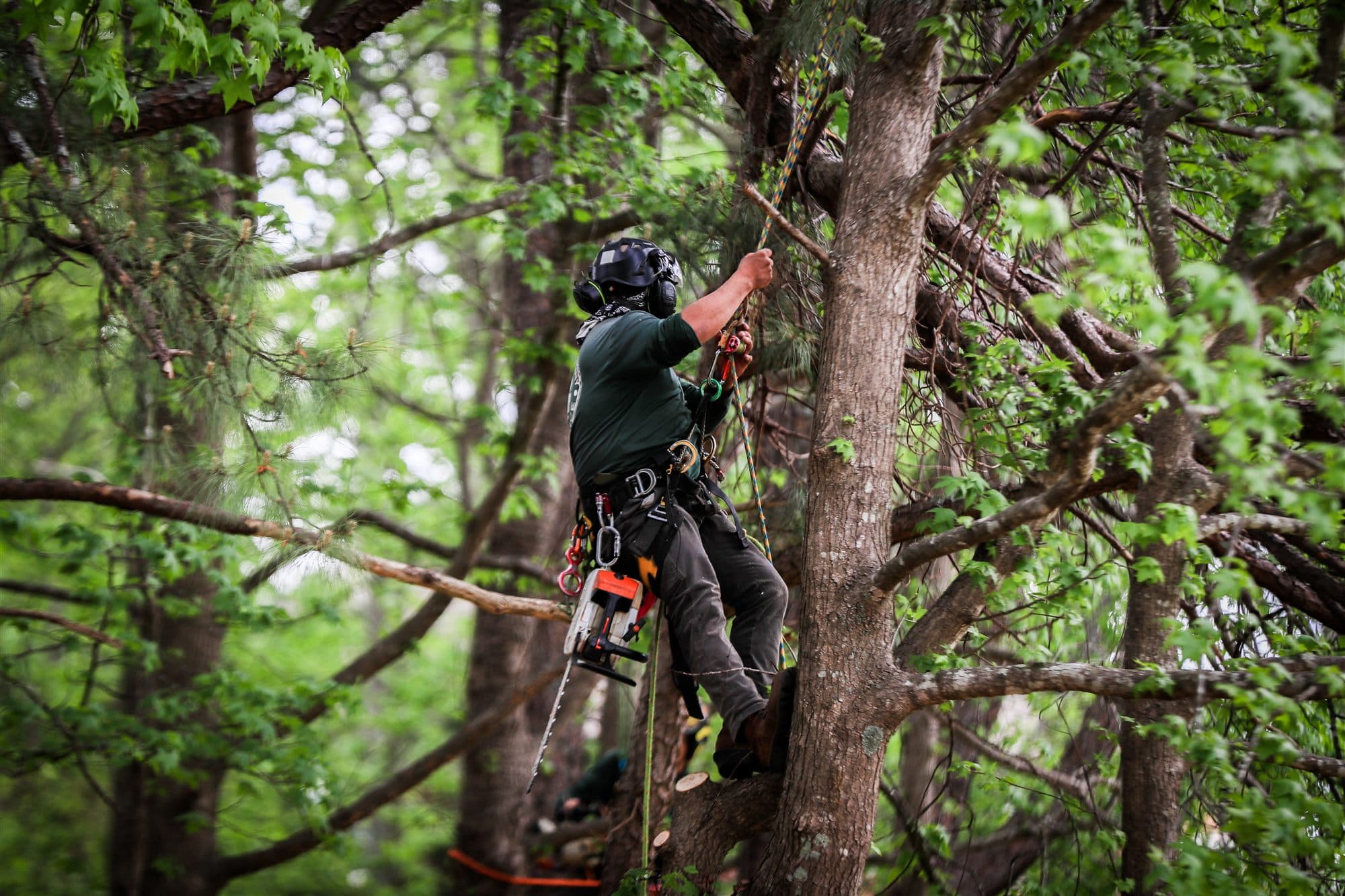
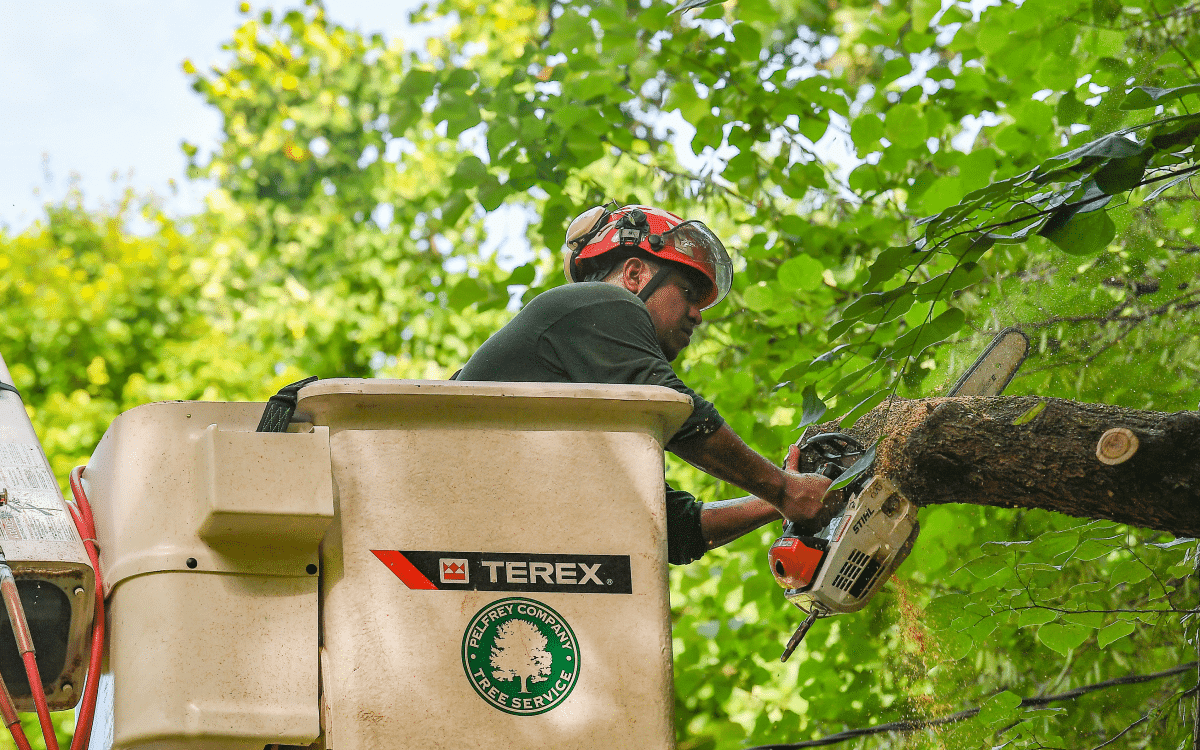
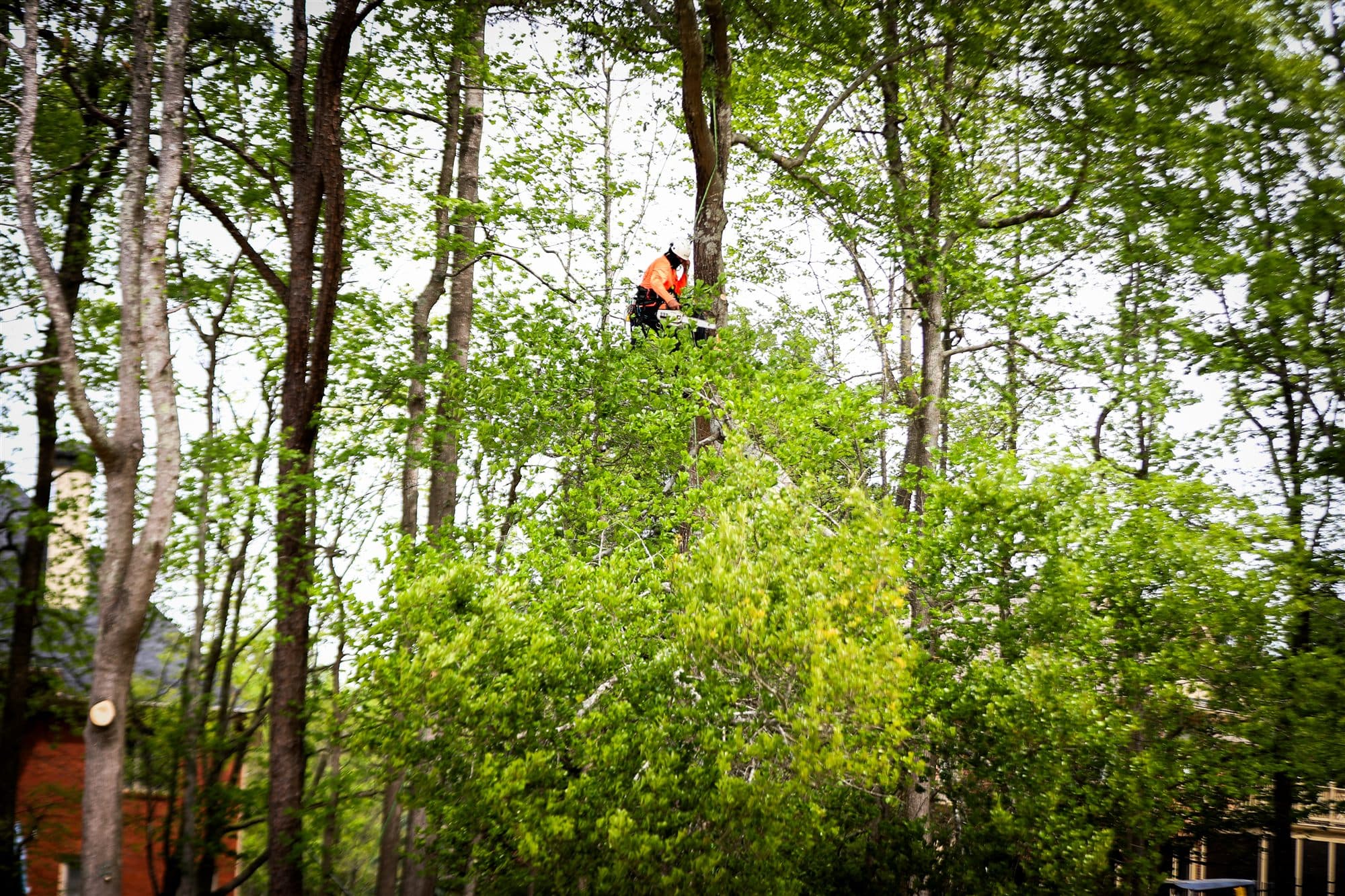
Trained climbers execute the plan using proper pruning cuts. No topping. No spikes.
Debris Cleanup
All branches and debris removed. Work area raked, blown clean, and restored.
Documentation
Post-pruning photos and summary emailed for your records.
Arborist Evaluation
ISA-certified arborist inspects your trees and identifies structural issues, deadwood, or disease.
Written Pruning Plan
Detailed estimate specifying pruning type, scope, and expected outcome for each tree.
Skilled Execution
Trained climbers execute the plan using proper pruning cuts. No topping. No spikes.
Debris Cleanup
All branches and debris removed. Work area raked, blown clean, and restored.
Documentation
Post-pruning photos and summary emailed for your records.
Why Pelfrey
ISA Arborist Oversight
Every job plan reviewed by a certified arborist
Fully Insured
GL and workers comp on every job
Communication Protocol
Updates at every stage of your project
Written Estimates
Not-to-exceed pricing, no surprise fees
Related Services
Frequently Asked Questions
What is the difference between pruning and trimming?
In professional arboriculture, pruning refers to the selective removal of branches based on specific objectives -- structural improvement, deadwood removal, or risk reduction. "Trimming" is a colloquial term often associated with hedge maintenance or indiscriminate cutting. Pelfrey provides arborist-directed pruning with defined objectives for each cut.
How often should trees be pruned?
Most mature trees benefit from pruning every 3-5 years. Young trees should be structurally pruned every 2-3 years to develop strong branch architecture. Storm-prone species in our southeastern markets may need more frequent deadwood removal. Your arborist will recommend a schedule based on species, age, and condition.
Do you use climbing spikes for pruning?
No. Climbing spikes wound the tree bark and are only used on trees scheduled for removal. Our climbers use non-invasive climbing systems -- ropes, harnesses, and friction devices -- that do not damage the bark or cambium layer.
Can improper pruning kill a tree?
Yes. Topping, lion-tailing, flush cuts, and over-pruning can cause irreversible decline. These practices expose the tree to disease, weaken its structure, and trigger stress responses that shorten its life. Pelfrey follows ANSI A300 standards to ensure every cut promotes tree health.
Storm Damage? We Respond 24/7.
Active hazards -- fallen trees on structures, blocked driveways, downed limbs near power lines -- get same-day triage.
Request a Proposal
Written estimate. Not-to-exceed pricing. ISA arborist oversight.
Get a Free Proposal