
Atlanta's Storm Profile
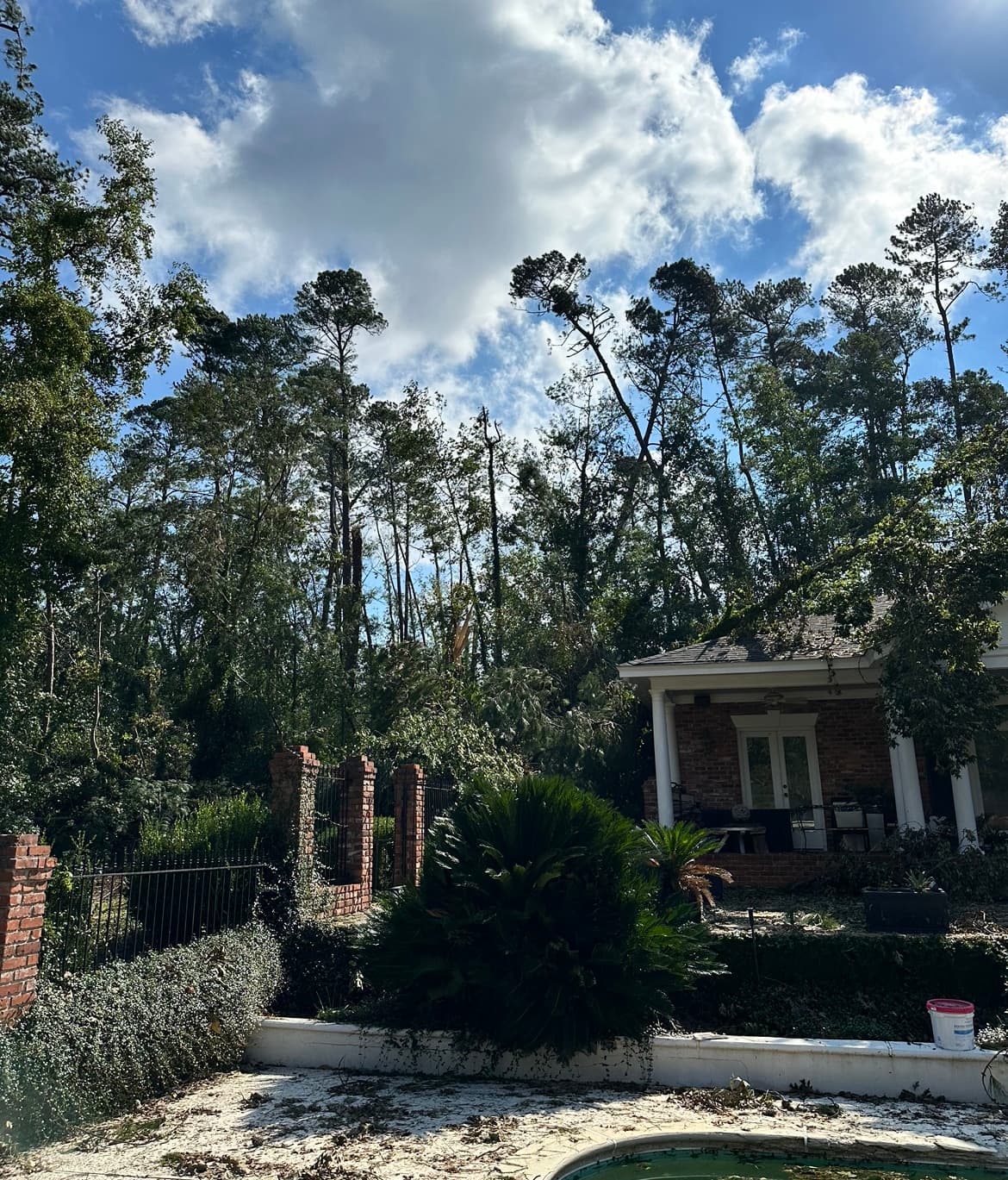
Atlanta does not face hurricanes, but the metro area experiences severe thunderstorms, microbursts, straight-line wind events, and occasional tornadoes that cause significant tree damage every year. The March-through-September storm season routinely produces wind gusts exceeding 60 mph, and the combination of saturated soil from spring rains and high winds creates ideal conditions for tree failure.
Species-Specific Risks in Atlanta
Southern Red Oak and White Oak
Oaks are the backbone of Atlanta's urban canopy. Mature oaks can develop crown spreads of 60+ feet, creating massive wind loads during storms. Oaks are also susceptible to oak wilt, a fungal disease that can compromise structural integrity. Regular arborist inspections can identify early signs of oak wilt and structural defects before they become failure points.
Loblolly Pine
Loblolly pines are the most common failure species in Atlanta storms. Their shallow root systems in red clay soil, combined with tall trunks and top-heavy canopies, make them highly vulnerable to wind throw. Pines growing in groups are particularly at risk because their root systems do not develop the lateral spread of open-grown trees.
Sweetgum and Tulip Poplar
Both species are fast-growing with relatively brittle wood. Sweetgums develop aggressive surface roots that can be destabilized by grade changes or construction. Tulip poplars are one of Atlanta's tallest native species and are prone to limb breakage in moderate winds.
Warning Signs to Watch For
Before storm season, walk your property and look for these indicators:
- Leaning trees that were previously vertical -- this suggests root failure or soil shift
- Mushrooms or fungi growing at the base or on the trunk -- indicators of internal decay
- Cracks in the trunk or major branch unions -- structural weak points that fail under wind loading
- Dead branches in the upper canopy -- deadwood falls first and hardest during storms
- Co-dominant stems (two trunks of equal size emerging from a single point) -- the #1 structural defect in urban trees
When to Call an Arborist
If you identify any of the warning signs above, schedule an arborist assessment before storm season begins. An ISA-certified arborist can evaluate the tree's structural integrity, recommend whether cabling, pruning, or removal is appropriate, and provide a written assessment of the risk.
Do not wait for a storm to test your trees. The cost of a pre-storm assessment is a fraction of the cost of emergency removal -- or the cost of a tree through your roof.
Storm Prep Timeline for Atlanta
- February-March: Schedule arborist assessments for any trees with visible defects or concerns
- March-April: Complete recommended pruning, cabling, and removals before storm season
- April-May: Ensure your tree service provider's emergency contact number is saved -- you may need it
- June-September: Peak storm season -- monitor weather alerts and avoid parking under large trees during severe weather warnings